
MLB Lefty-Righty Splits: Platoon Matchup Betting
 Available in US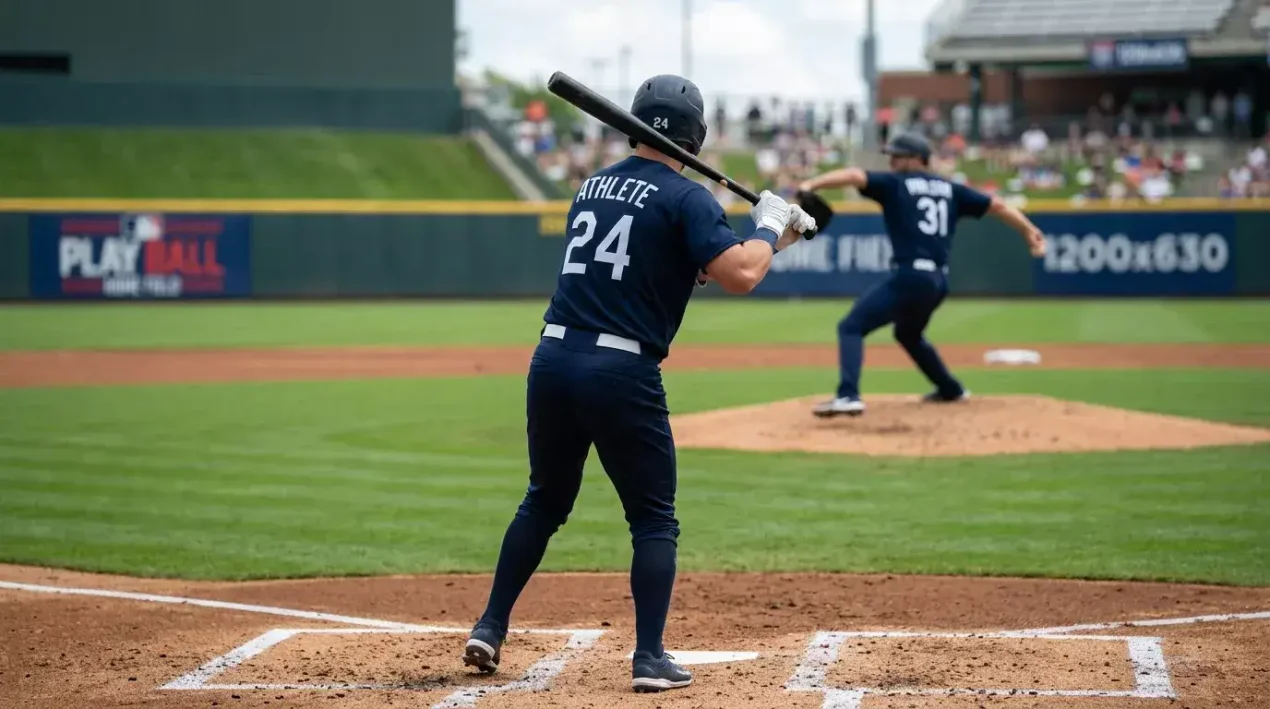
Platoon Splits: How Pitcher Handedness Shifts Moneyline Odds
The first MLB season I really paid attention to splits, I tracked a single hitter all the way through. A respectable middle-of-the-order bat with a .280 season average. Against right-handed pitching he hit .305 with power. Against left-handed pitching he hit .218 with almost no extra-base hits. Same player, same year, two different careers depending on who happened to be on the mound. By July it was so predictable that I could glance at the matchup and know within a few percentage points what his expected production would be.
This is the platoon effect. Some version of it applies to almost every hitter in the major leagues. Right-handed hitters tend to perform better against left-handed pitchers, and vice versa. The reason is partly about pitch movement – sliders and curveballs break away from same-handed hitters and into opposite-handed ones – and partly about visual angle. A left-handed pitcher releases the ball from a position that a left-handed hitter has spent his whole career struggling to track. The same release point against a right-handed hitter looks comparatively benign.
For betting purposes, splits are foundational. The market knows them, the manager constructs his lineup around them, and the totals line is partly built from them. A UK punter who looks at season-average stats without checking the handedness matchup is essentially using yesterday’s price on tomorrow’s market. The numbers are there, freely available, and yet most casual bettors never check.
The platoon advantage explained
“Platoon advantage” is the technical name for a hitter facing a pitcher of opposite handedness. Right-handed hitter against left-handed pitcher has the platoon advantage. Left-handed hitter against right-handed pitcher has the platoon advantage. Same-handed matchups – RHH vs RHP, LHH vs LHP – are platoon disadvantages.
The size of the effect varies by hitter but the league-wide pattern is consistent. League-average hitters add roughly 30-40 points of OPS when they have the platoon advantage versus when they do not. That is a substantial swing. A hitter who posts .720 OPS against same-handed pitching might post .760 against opposite-handed pitching. For individual hitters, the gap can be much wider – some specialist hitters carry .200 OPS splits.
The reason managers care so much about platoon matchups is that the effect compounds across a lineup. If you can arrange your eight position players so that six of them have the platoon advantage on a given night, you have meaningfully tilted the expected production of the entire lineup. This is why you see right-handed bench players starting against southpaws and left-handed bench players starting against right-handers. It is not coincidence. It is platoon optimisation.
From a betting perspective, the totals line on a given matchup is heavily influenced by which lineup is being deployed. A team’s “best” lineup is not their highest-OPS players – it is the highest-OPS combination given the opposing pitcher’s handedness. Two different starting pitchers can produce two different “best” lineups for the same team, and the totals expectation moves accordingly.
Reverse-split hitters: the underrated cases
Most hitters follow the standard platoon pattern. A minority do not. Reverse-split hitters perform better against same-handed pitching than against opposite-handed pitching – a counterintuitive pattern that emerges from specific mechanical or visual quirks in the individual hitter.
Reverse splits are more common among left-handed hitters than right-handed ones. The reason has to do with development pathway. Most left-handed amateur hitters spend the vast majority of their early career facing right-handed pitchers, because right-handed pitchers are far more common at every level. By the time they reach the majors, they have built deep familiarity against right-handers and significantly less practice against left-handers. The result is that some left-handed hitters’ “advantage” against righties is partly real platoon and partly experience, and the gap against lefties is partly platoon and partly unfamiliarity.
For betting purposes, reverse-split hitters create asymmetric edges. When the market prices a left-handed reliever appearing against a left-handed slugger as a clear platoon advantage for the reliever, and the hitter is actually a reverse-split case, the prop bet on the hitter – total bases, hits, RBI – can be mispriced. The edge exists because the market relies on default platoon assumptions and the individual hitter does not conform.
Identifying reverse splits requires sample size. A reverse-split signal off twenty plate appearances is noise. The same signal across 400 plate appearances over two seasons is much more credible. Always check the underlying sample before treating a reverse split as a meaningful input. If a hitter has only seen 50 lefties all season, their numbers against lefties are too small to trust.
How managers build a lineup against opposite-hand starters
Watch how a manager constructs a starting lineup an hour before first pitch and you are watching split-based optimisation in real time. The decisions are not random. Every lineup spot is being filled with the player whose recent form and handedness profile best matches the opposing pitcher.
Against a left-handed starter, the standard moves are: bench any extreme platoon-deficient left-handed hitter (a hitter whose splits suggest they should not face lefties), promote any platoon-advantaged right-handed bench player into the starting nine, and reshuffle the batting order to cluster the platoon-advantaged hitters in the highest-leverage spots (1-2-3-4).
Against a right-handed starter, the moves invert. Left-handed power hitters who might be benched against southpaws are back in the lineup. The batting order is rebuilt around them.
For UK bettors, the implication is that pre-lineup-announcement bets carry hidden risk. If you place a moneyline bet at 11am UK time on a game that starts at midnight, the lineups have not been announced. You are betting on a team whose actual deployed roster is still 12 hours away from being finalised. The team you “think” you are betting on might be missing two of its best hitters because the platoon profile is wrong against tonight’s pitcher.
The discipline is to either wait for confirmed lineups before betting (which limits your time window to about an hour before first pitch) or to handicap the bet by assuming the most platoon-disadvantaged version of the team’s available roster. Both approaches have trade-offs. Most punters do neither.
Translating splits into a totals or moneyline read
The practical use of splits in betting analysis comes down to two questions. First, how does today’s matchup change the expected production of each lineup compared to the season averages the market is anchored on? Second, has the market’s totals line already adjusted for those split-driven differences?
Start with the season-average runs-per-game baseline for each team. Adjust for the platoon profile of tonight’s starters. A right-handed starter facing a left-heavy lineup, where the right-handed batters who hit lefties well are now disadvantaged against this RHP, can mean meaningful run-suppression. A left-handed starter facing the same lineup, where the right-handed hitters are now platoon-advantaged, can mean meaningful run-enhancement.
The size of these adjustments depends on the lineup’s split sensitivity. Some lineups are remarkably balanced, with switch-hitters and platoon-neutral bats throughout the order. Adjusting their run expectation for pitcher handedness barely moves the needle. Other lineups are heavily skewed – five left-handed bats stacked in the middle – and facing a left-handed starter knocks half a run off their expected total.
For moneyline analysis, the same logic applies but you need to balance both teams. A matchup where one lineup is platoon-advantaged and the other is platoon-disadvantaged has a clearer favourite than the season-average win-loss records suggest. A matchup where both lineups carry mild disadvantages might be closer than the moneyline implies.
Player props is where splits pay the most directly. A hitter’s prop line – total bases over 1.5, for example – is partly built from their season average. If today they have a strong platoon advantage and the prop has not adjusted for it, the over is value. If they have a strong platoon disadvantage and the prop has not adjusted, the under is value. These edges are small in any single bet, but they accumulate consistently if you have done the work and the spreadsheet to track which kinds of split-driven plays beat the close. The signal compounds further when you fold splits into the first-inning market and the NRFI conversation, where pitcher splits matter even more in a very short window.
What splits cannot do alone
Handedness splits are one of the cleanest signals in MLB betting because they have causal physical mechanisms (pitch break, visual angle) that make the patterns persistent across seasons. But splits alone do not win bets. The hitter with a platoon advantage still has to make contact. The pitcher with a platoon advantage still has to execute his pitches. Variance still applies. The split is a tilt, not a guarantee, and any bet sized as if it were a guarantee will eventually go badly wrong. The bettor who understands this – who uses splits to identify the spots where the totals or props line might be mispriced, and who then sizes carefully and tracks results – will, over time, see the edge accumulate. The bettor who reads two numbers in a column and convinces themselves they have found a sure thing will not.
How small a sample of splits is too small?
Anything below 100 plate appearances against the specific handedness is statistically noisy. Below 50 it is essentially meaningless. Career splits across 400-500 plate appearances against each handedness give stable estimates. Single-season splits in the first two months of the season often mislead because variance has not washed out.
Which hitters typically post reverse splits?
Left-handed hitters with strong opposite-field power tend toward reverse splits because their swing path works well against pitches breaking towards them. Switch-hitters with mechanical asymmetry sometimes show reverse splits on one side of the plate. Look for two-season samples of at least 200 plate appearances per side before treating a reverse-split signal as real.
This material was created by the DiamondEdge team.
Related posts
MLB Betting and UK Tax: What Punters Actually Need to Know

MLB Public vs Sharp Money: Reading the Line Movement